

Slip Resistance Basics
Understand P and D ratings, test types, and how slip resistance is measured.

Standards & Compliance
AS 4586, AS 4663, NCC requirements—explained clearly for specifiers and safety teams.

Sector Safety Series
Explore tailored safety guidance by industry: retail, aged care, education, and more.

Product Certification
See what it takes to get slip resistance certification for tiles, coatings, and surfaces..

Test Reports Explained
Learn how to read wet and dry test reports and what the results really mean.

Lab testing Insights
Go behind the scenes of our accredited lab testing process. See how precision matters.

Risk & Prevention
Practical tips to prevent slips and reduce your liability through design and maintenance.
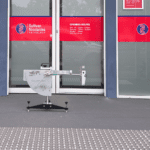
The Five Moments You Should Always Re-Test a Floor
Learn the five moments when re-testing slip resistance matters most — and how timing reduces risk more effectively than routine checks.
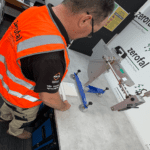
When Should a Product Be Re-Tested? The Question Manufacturers Get Wrong
Learn when flooring products should be re-tested for slip resistance and why one result rarely covers a full product range.

Why January Is When Latent Slip Risk Shows Up in Commercial Buildings
January maintenance and reopening cycles can increase slip risk. Learn why early-year verification matters for commercial buildings.
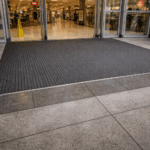
What Changes a Floor’s Slip Risk Over Time (Even If Nothing Looks Different)
Slip resistance changes over time due to cleaning, wear and moisture. Learn what drives risk drift and how to manage ongoing floor safety
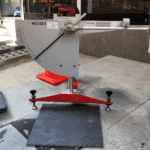
Colour, Grit and Surface Finish: How Subtle Differences Change Slip Ratings (AS 4586:2013)
Colour, grit and finish change slip resistance. Learn why P-ratings vary across tile ranges and coatings
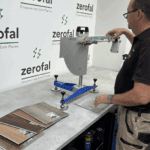
Why One Slip Test Isn’t Enough for Product Lines (AS 4586:2013)
Slip resistance varies across colours and finishes. Learn why one AS 4586 test cannot certify an entire product line.