
Risk & Prevention
Why does slip risk increase in winter?
Winter exposes surfaces that may perform adequately when dry but become slippery when wet, contaminated or slow to dry. Testing confirms real performance.

Winter exposes surfaces that may perform adequately when dry but become slippery when wet, contaminated or slow to dry. Testing confirms real performance.
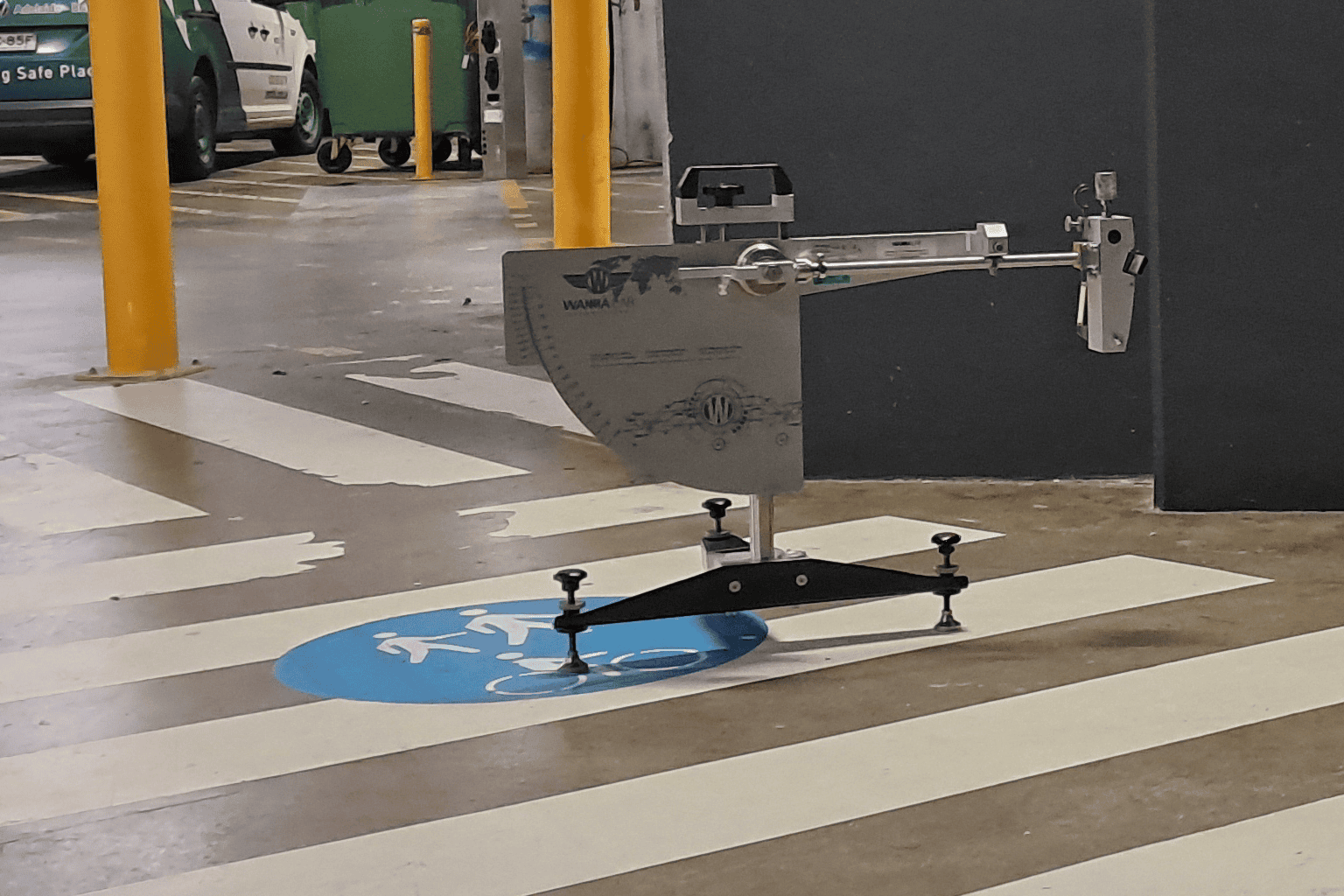
Painted walkways, crossings, accessible bays and line markings can become more slippery when wet. Testing under AS 4663:2013 confirms how the surface performs in real
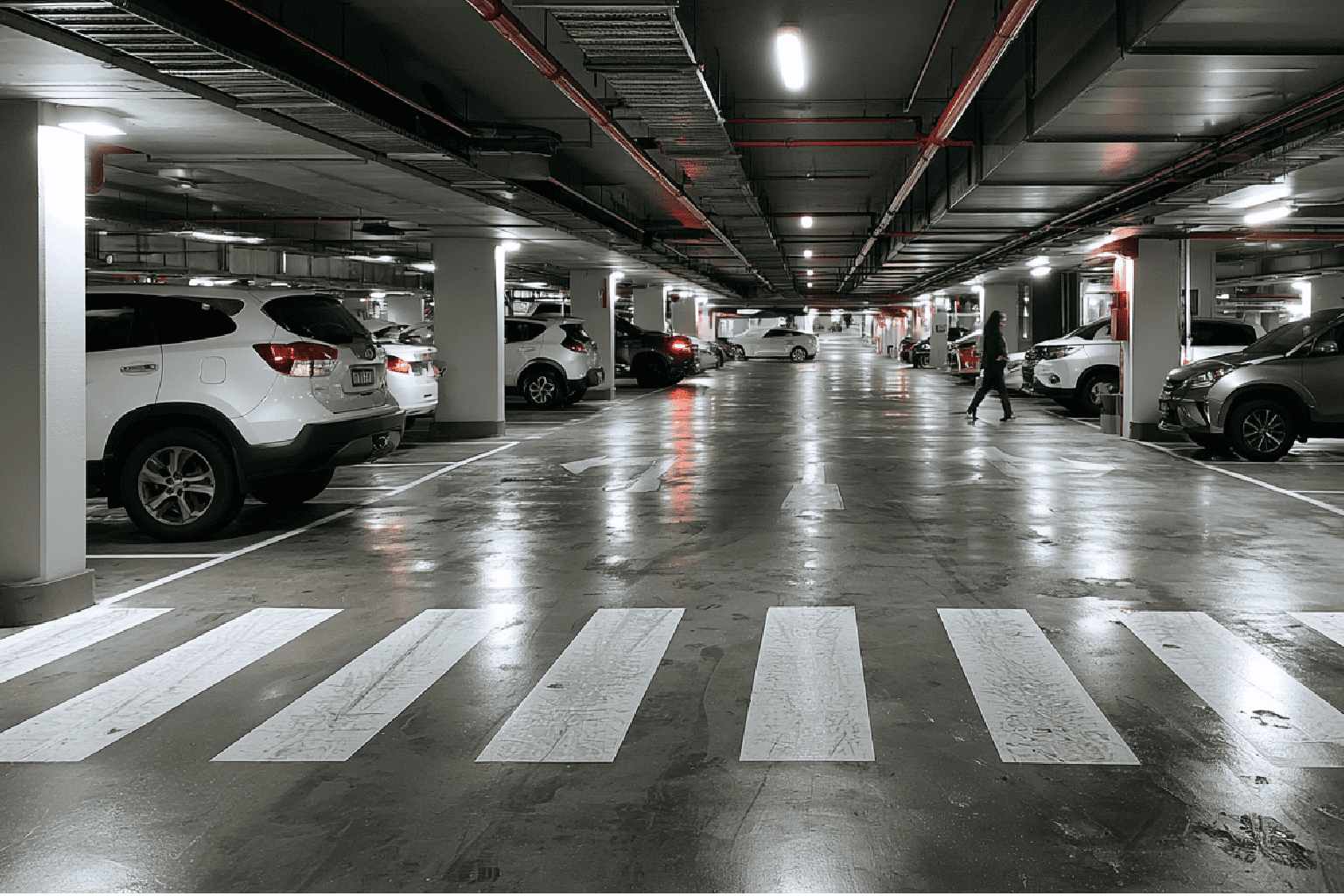
Undercover and external car parks are increasingly becoming high-risk pedestrian environments due to worn coatings, contamination, moisture and reduced cleaning attention. Learn how slip resistance
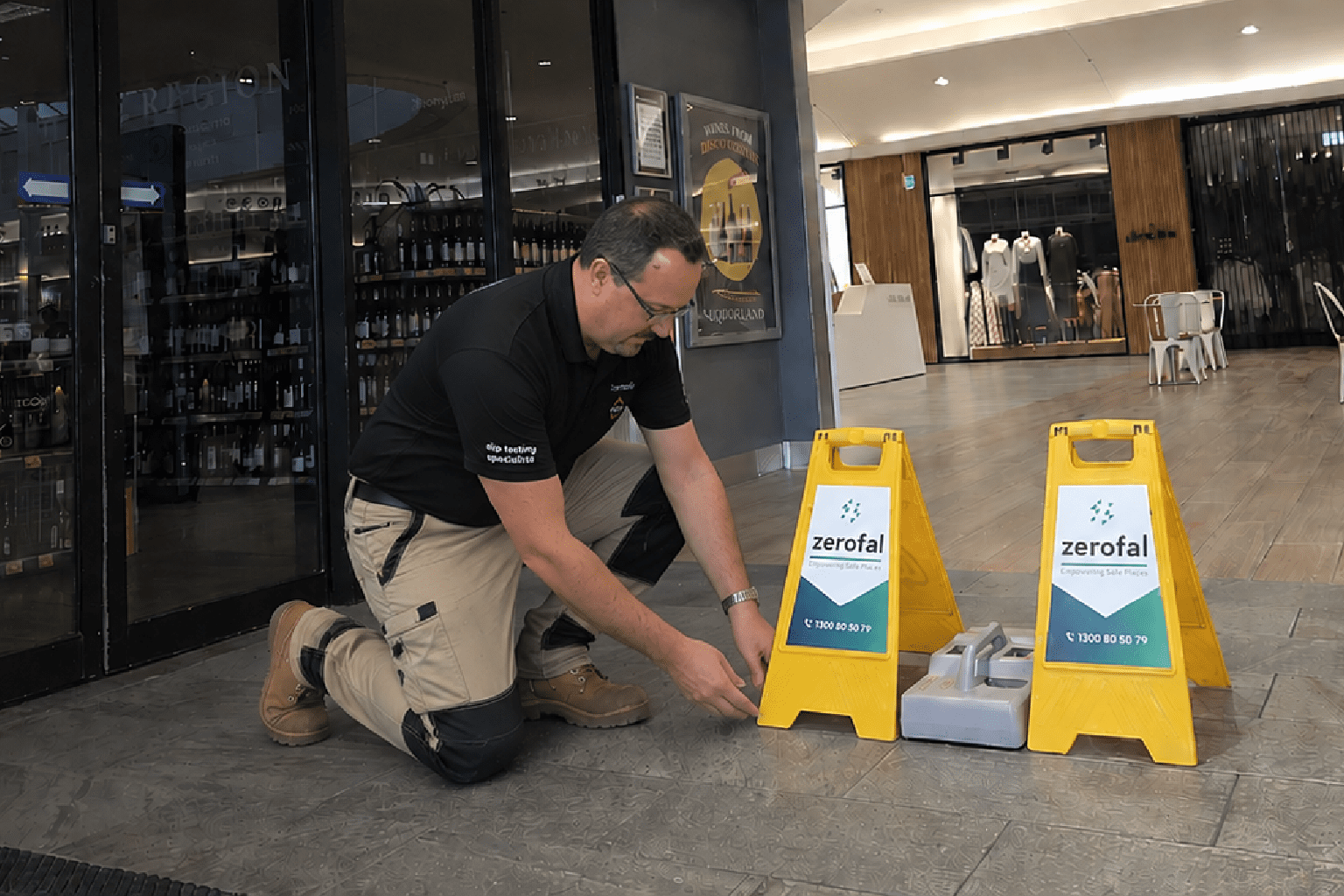
Defensible slip testing for legal and insurance cases. Reports aligned with AS 4663:2013 and HB 198:2014.

A pre-build slip risk review identifies slip resistance problems in flooring specifications before construction begins – when material selections can still be changed without cost
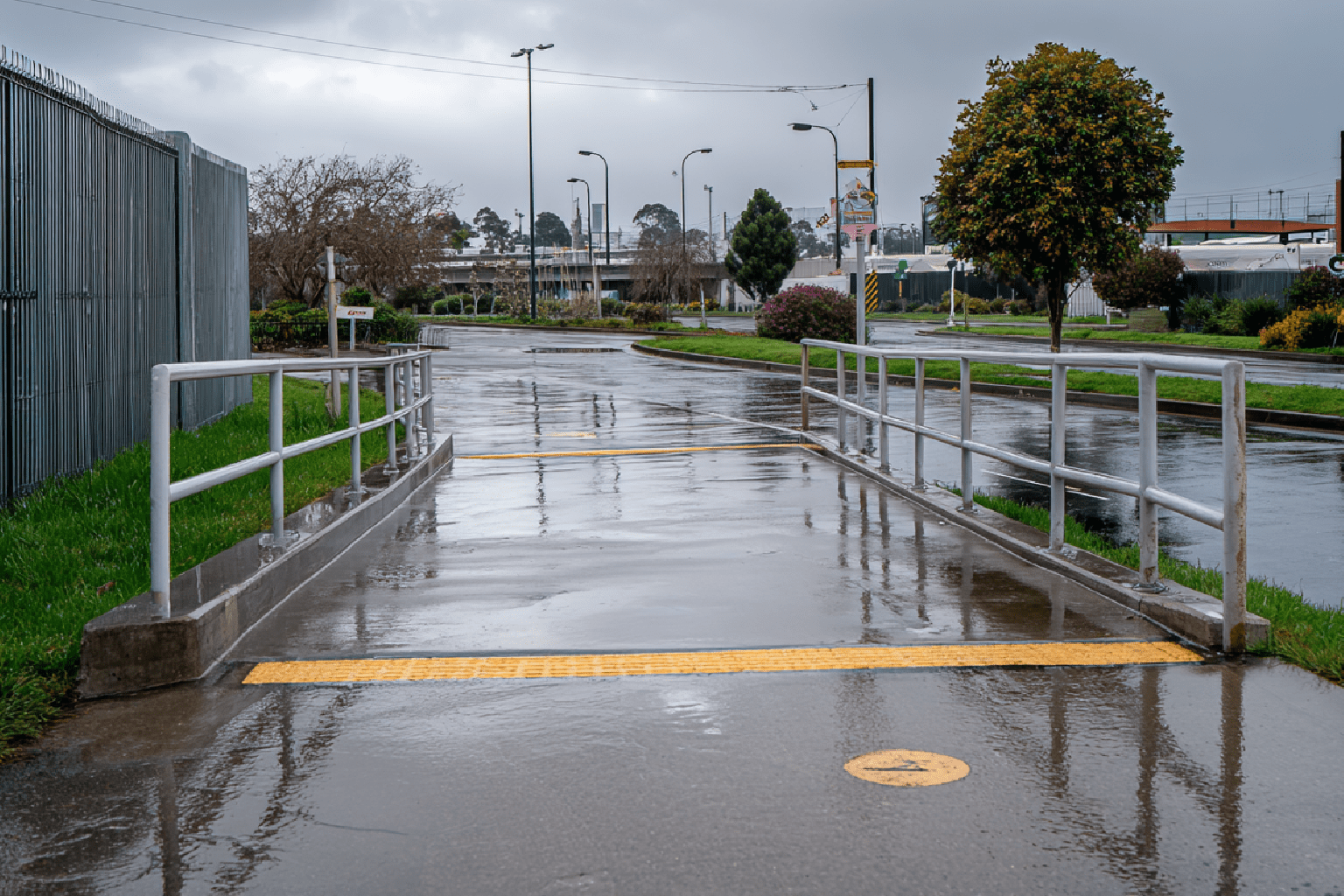
Public footpaths, ramps and civic facilities face increased exposure in wet weather. Structured testing to AS 4663:2013 strengthens municipal risk management and defensibility.
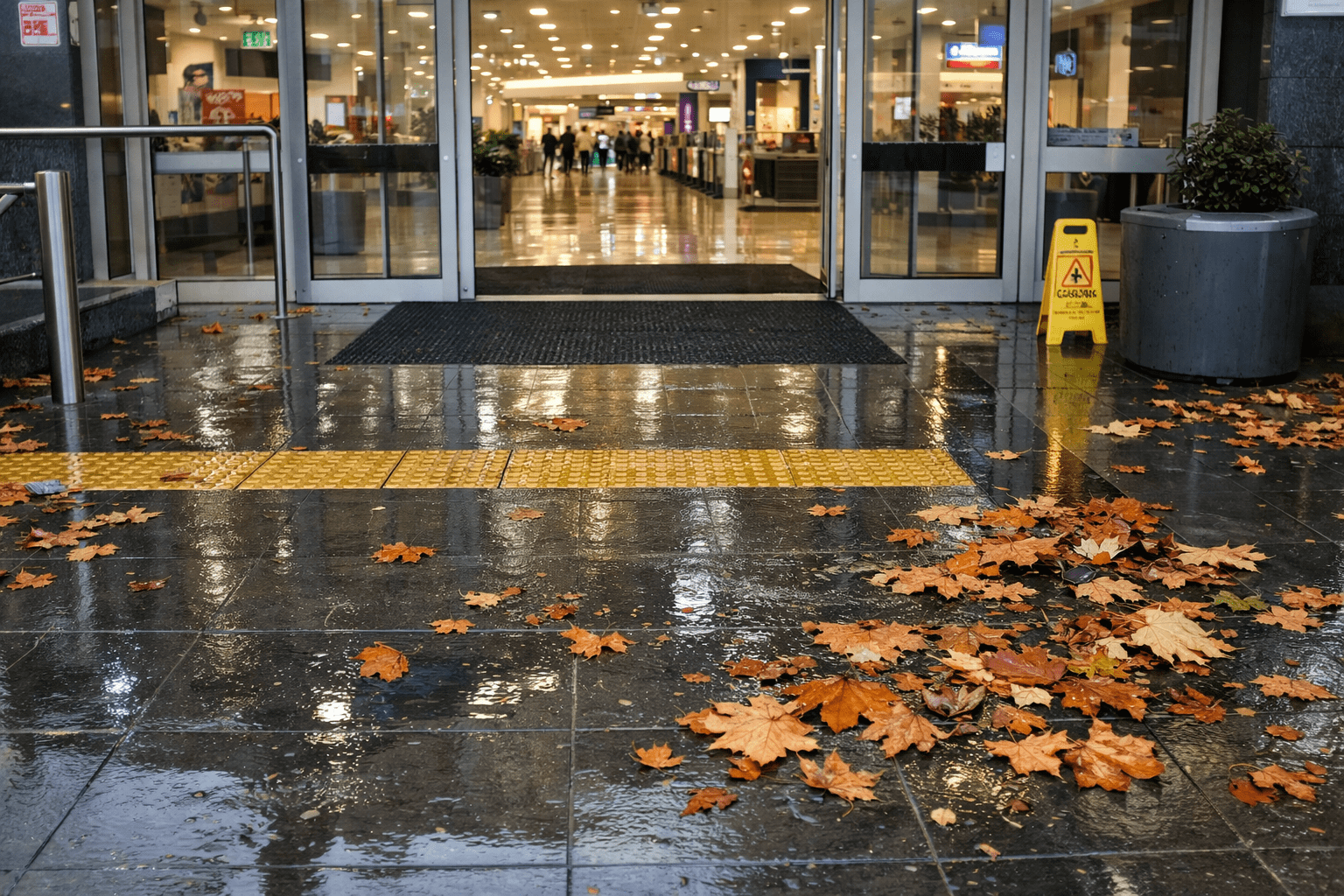
Autumn moisture exposes surface performance drift. Learn why reassessment under AS 4663 strengthens defensibility.
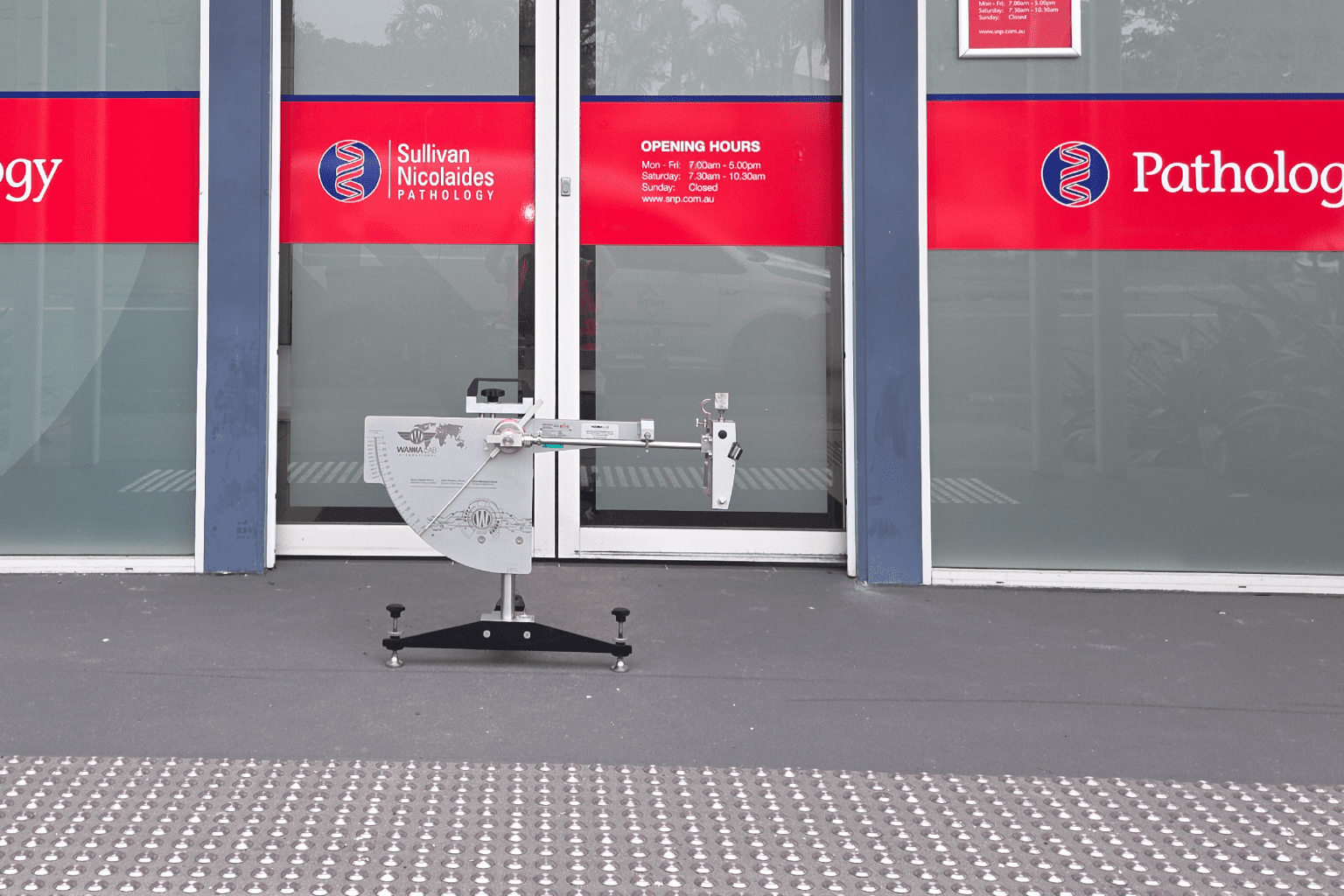
Learn the five moments when re-testing slip resistance matters most — and how timing reduces risk more effectively than routine checks.
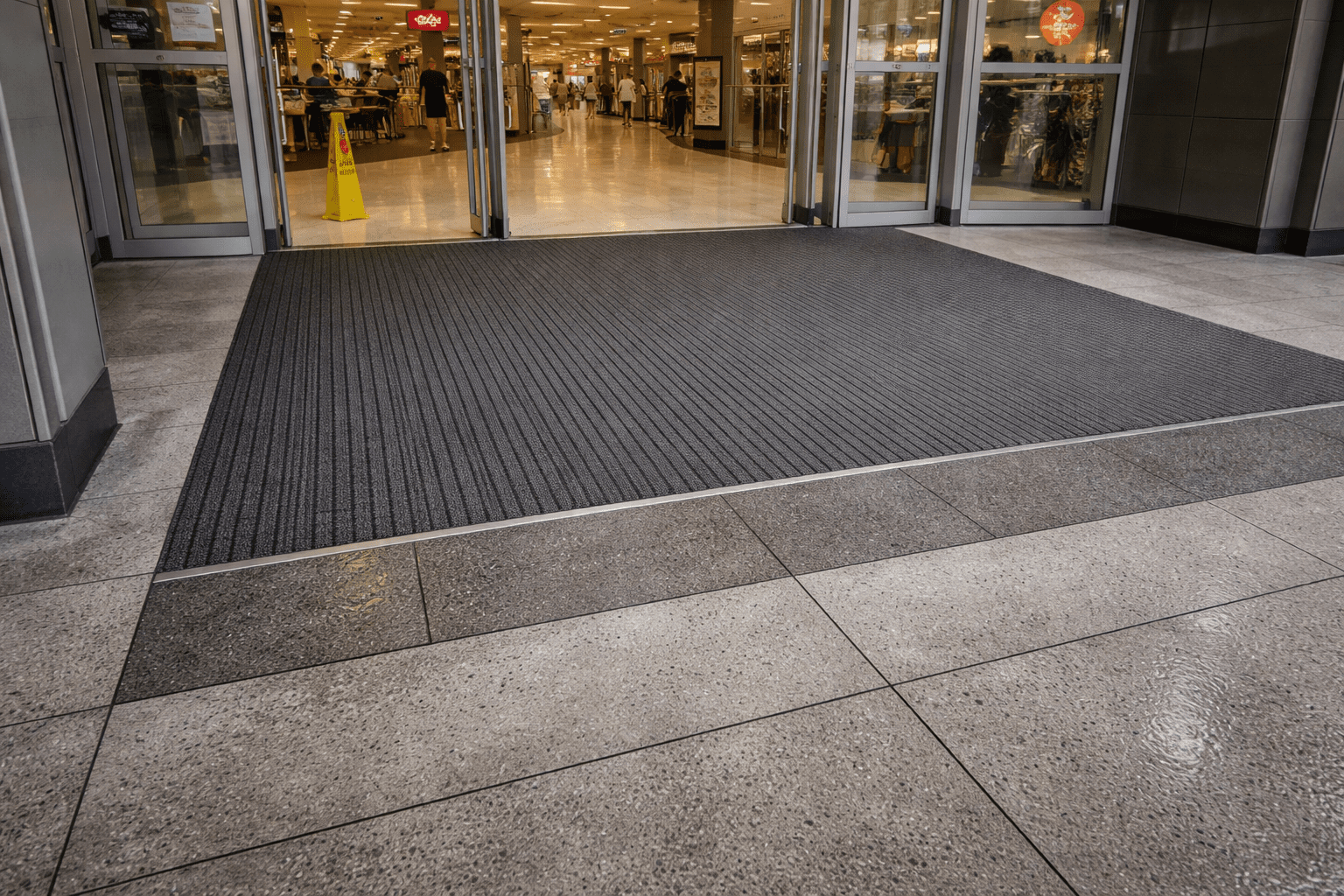
Slip resistance changes over time due to cleaning, wear and moisture. Learn what drives risk drift and how to manage ongoing floor safety
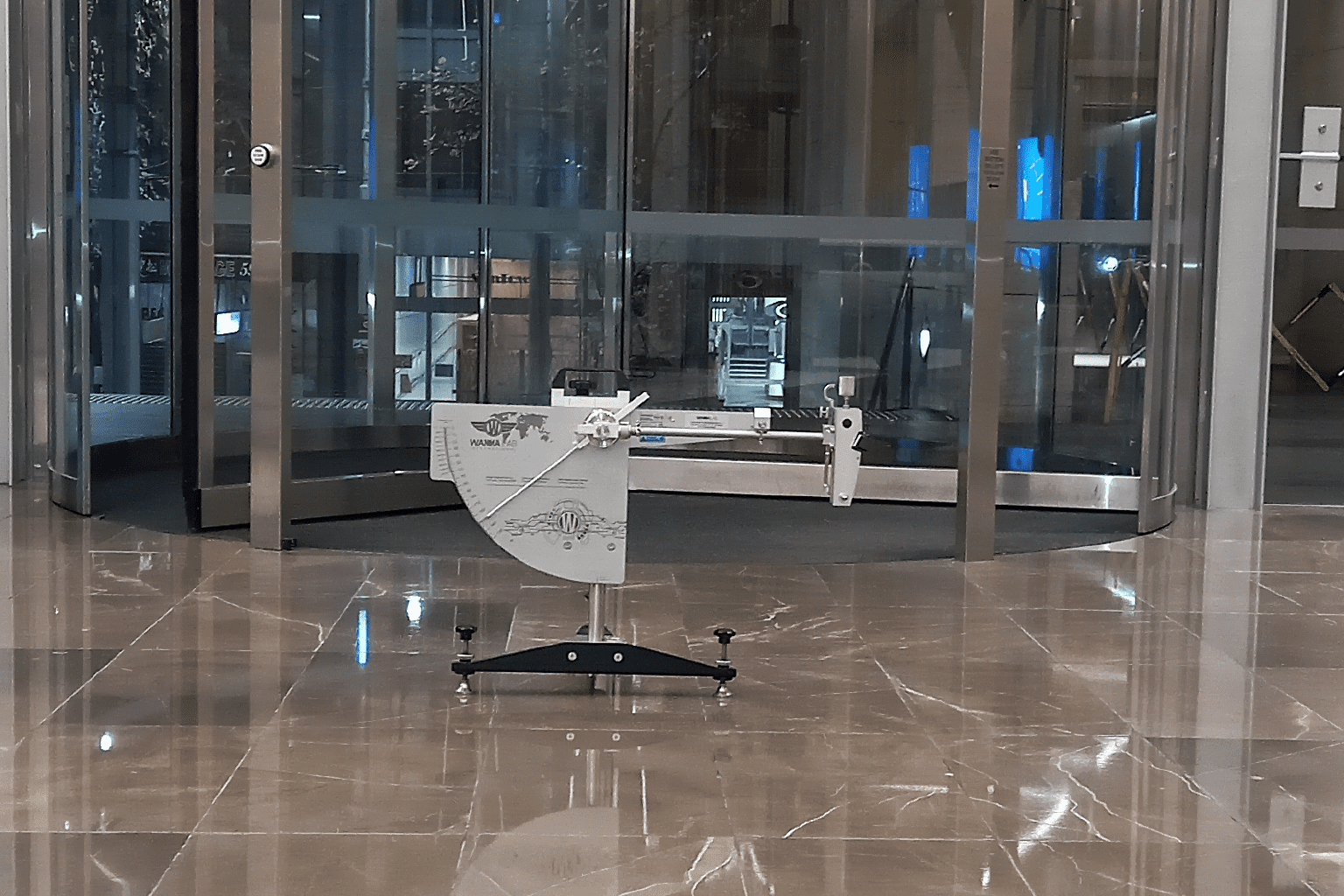
Slip resistance is more than a compliance test – it’s part of architectural safety design. This article explores how AS 4586 and AS 4663 testing