Can a Compliant Surface Still Create a Foreseeable Slip Risk?
A surface may meet an applicable building or product requirement and still create a foreseeable slip risk in use. Learn why compliance evidence, current performance

A surface may meet an applicable building or product requirement and still create a foreseeable slip risk in use. Learn why compliance evidence, current performance
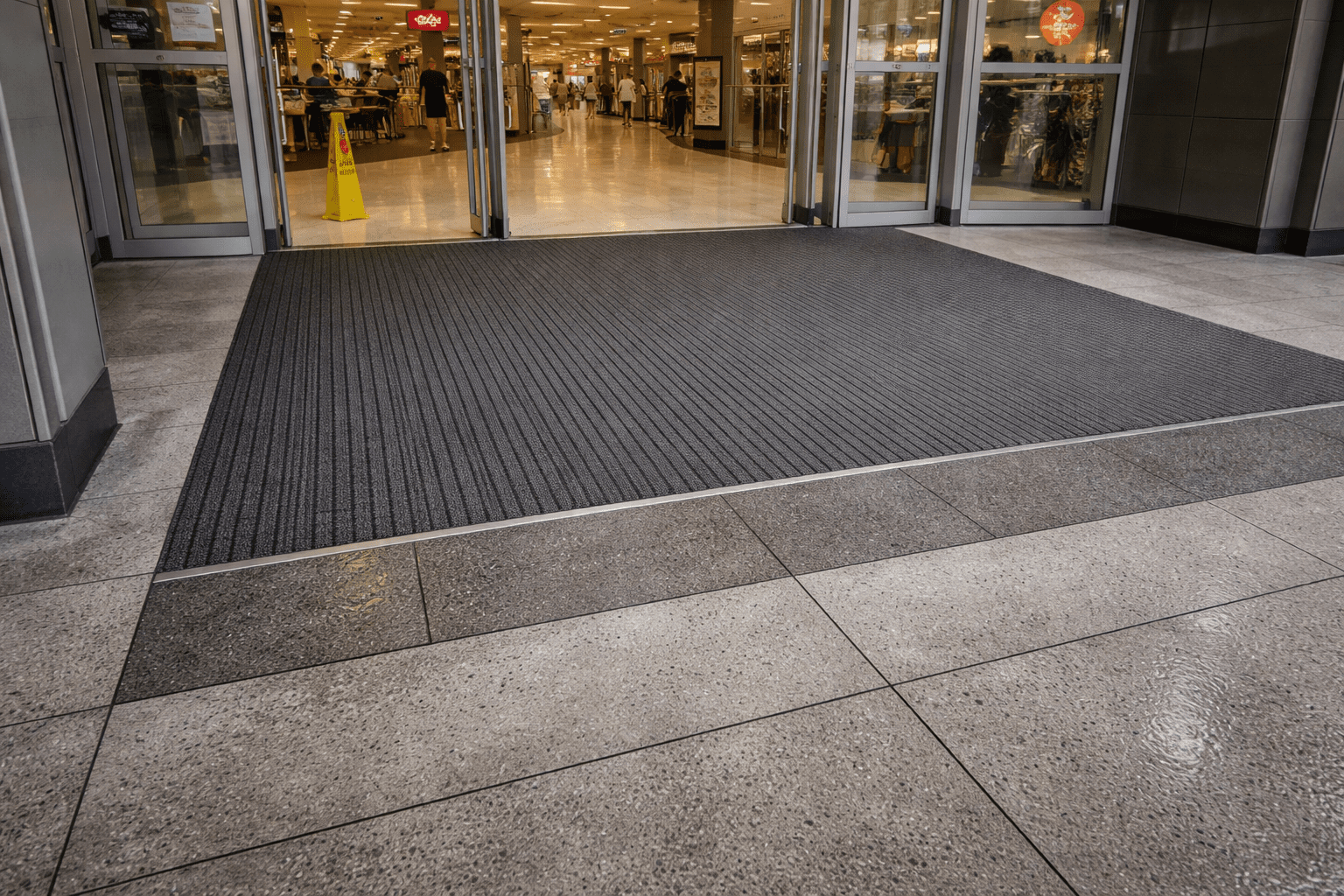
An AS 4663:2013 result for an existing surface should not be converted into an AS 4586:2013 P rating. Learn why the Standards produce different forms

Learn the five moments when re-testing slip resistance matters most — and how timing reduces risk more effectively than routine checks.

Slip resistance changes over time due to cleaning, wear and moisture. Learn what drives risk drift and how to manage ongoing floor safety

Colour, grit and finish change slip resistance. Learn why P-ratings vary across tile ranges and coatings

Understand P4 and P5 slip ratings under AS 4586 and how wet pendulum testing determines compliance.

Only NATA-accredited slip testing reports stand up in audits, insurance claims and legal contexts. Learn why accreditation matters

Not all slip tests are equal – the slider you choose changes the result. AS 4586–2013 wet pendulum testing uses 4S rubber for general footwear

A slip resistance certificate only applies to the exact batch tested. Even if the product looks identical, a different batch must be tested separately. Add

Lab results don’t guarantee real-world safety. AS 4663–2013 testing confirms slip resistance of installed floors under actual use conditions.
Join the Zerofal newsletter for actionable insights on slip testing, compliance updates, and smart prevention strategies. No spam – just practical safety advice.