
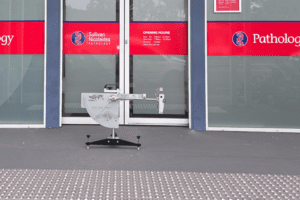
Why January Is When Latent Slip Risk Shows Up in Commercial Buildings
January is a high-risk period for slip incidents in commercial buildings.
Deep cleaning, resealing, contractor changes and reduced supervision over the holiday break can alter floor performance before buildings reopen. When surfaces return to full use without verification, latent slip risk often emerges early in the year. January isn’t low risk — it’s a critical reset point.
January feels quiet. Occupancy is lower, activity resumes slowly, and buildings reopen after maintenance cycles. That calm is deceptive.
From a slip risk perspective, January is one of the most vulnerable periods of the year.
What Changes Over the Break
Commercial buildings often undergo:
- deep cleaning
- resealing or polishing
- contractor changes
- reduced supervision
- altered foot traffic patterns
Each of these affects floor performance. Taken together, they can materially change slip resistance before normal operations resume.
The Re-Entry Problem
When buildings reopen, surfaces are assumed to be safe because nothing appears damaged. But performance may already be compromised.
Staff return. Tenants reopen. Visitors arrive.
The first full-traffic exposure often happens before any verification occurs.
Why Incidents Cluster Early in the Year
Many slip incidents occur:
- shortly after reopening
- following maintenance work
- in transitional weather conditions
- before routine inspections resume
The issue isn’t neglect — it’s timing.
Portfolio Risk vs Site Risk
For organisations managing multiple sites, January compounds risk:
- inconsistent maintenance practices
- varying cleaning contractors
- uneven documentation
- assumptions carried over from the previous year
Without systematic verification, exposure accumulates silently.
A Better January Reset
January is the moment to:
- confirm performance after change
- prioritise high-risk zones
- reset testing schedules
- document baseline conditions for the year ahead
Proactive checks at this point reduce reactive responses later.
Reopening after maintenance or the holiday break?
January is the point where assumptions about floor safety are most likely to fail. Zerofal provides slip resistance testing for existing commercial surfaces, helping building owners and facilities teams confirm performance after cleaning, resealing or changes in use.
If you’re unsure whether a surface needs testing, it’s usually best to check before normal occupancy resumes.
Explore more

The Five Moments You Should Always Re-Test a Floor
Learn the five moments when re-testing slip resistance matters most — and how timing reduces risk more effectively than routine checks.
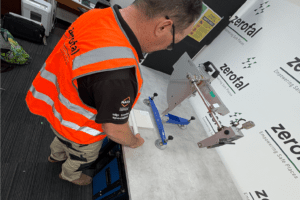
When Should a Product Be Re-Tested? The Question Manufacturers Get Wrong
Learn when flooring products should be re-tested for slip resistance and why one result rarely covers a full product range.
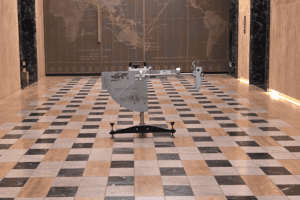
Why January Is When Latent Slip Risk Shows Up in Commercial Buildings
January maintenance and reopening cycles can increase slip risk. Learn why early-year verification matters for commercial buildings.