When Should a Product Be Re-Tested? The Question Manufacturers Get Wrong

Slip test results apply to a specific surface condition, not an entire product line.

Changes in colour, texture, coatings or manufacturing processes can alter slip resistance even when the product name stays the same. Assuming one result covers all variations creates specification risk. Re-testing isn’t duplication — it’s how accuracy is maintained.

Many manufacturers assume slip testing is a one-time requirement. Test once, certify, move on. That assumption is where problems begin.

Slip resistance testing certifies a specific surface condition — not a brand, range or product family.

What Testing Actually Represents

A slip test result applies to:

  • a specific surface
  • a specific finish
  • a specific texture
  • under defined conditions

Change any of those and the original result no longer describes performance accurately.

Common Triggers for Re-Testing

Surface variations
Different colours, textures or embossing patterns can perform differently even within the same product line.

Coatings and sealers
Adding a finish after manufacture fundamentally alters surface friction.

Manufacturing changes
Material batches, tooling wear or process changes can affect texture.

Market expansion
Products certified for one application may be specified elsewhere with different risk profiles.

The Cost of Not Re-Testing

The risk isn’t theoretical:

  • incorrect specification
  • rejected documentation
  • project delays
  • reputational damage

Re-testing is not redundancy. It is accuracy.

A Smarter Approach

Manufacturers who treat testing as an ongoing verification process:

  • reduce downstream risk
  • maintain credibility
  • simplify specification
  • protect clients and projects

The question isn’t “do we have a certificate?”
It’s “does this certificate still describe the product we’re supplying?”

Supplying multiple colours, finishes or surface treatments?

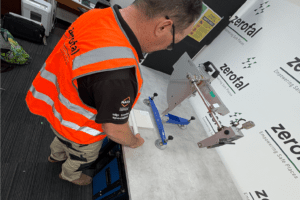
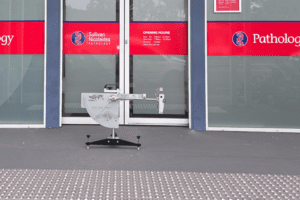
If a product has changed, its slip resistance may have changed too. Zerofal provides laboratory slip resistance testing for new and modified pedestrian surfaces, helping manufacturers and suppliers ensure results accurately reflect what is being specified and installed.

If you’re unsure whether a product variation needs re-testing, it’s usually worth clarifying before documentation becomes a liability.

Explore more