
Car Parks: The Overlooked Slip Risk in Commercial Properties
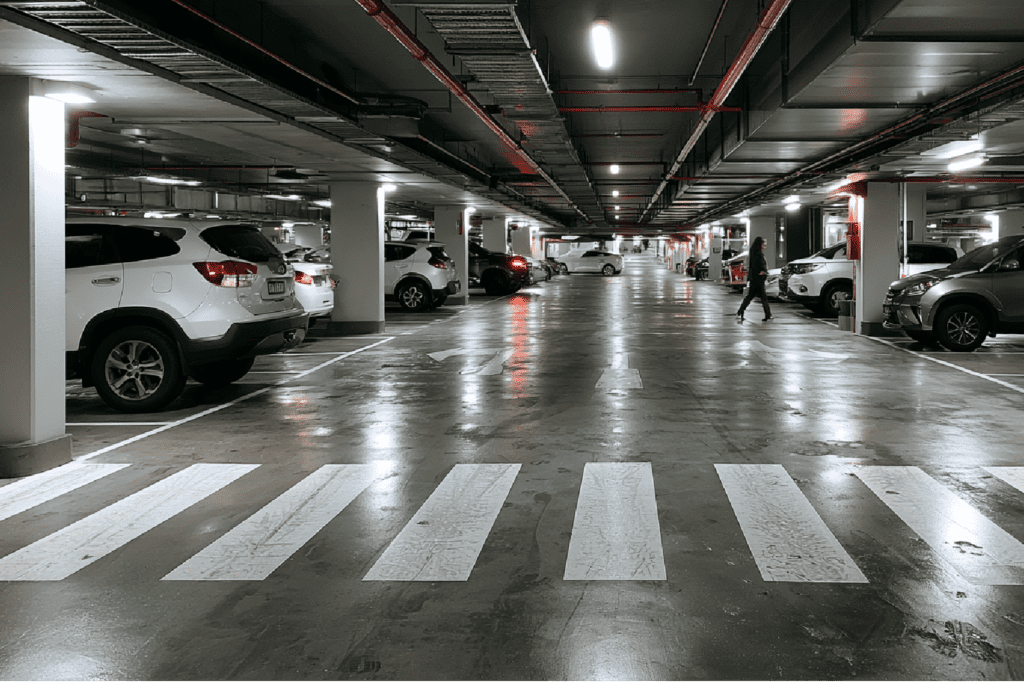
Undercover and external car parks are increasingly becoming high-risk pedestrian environments due to worn coatings, contamination, moisture and reduced cleaning attention. Learn how slip resistance testing under AS 4663:2013 helps identify hidden risk before incidents occur.
What Changes a Floor’s Slip Risk Over Time (Even If Nothing Looks Different)
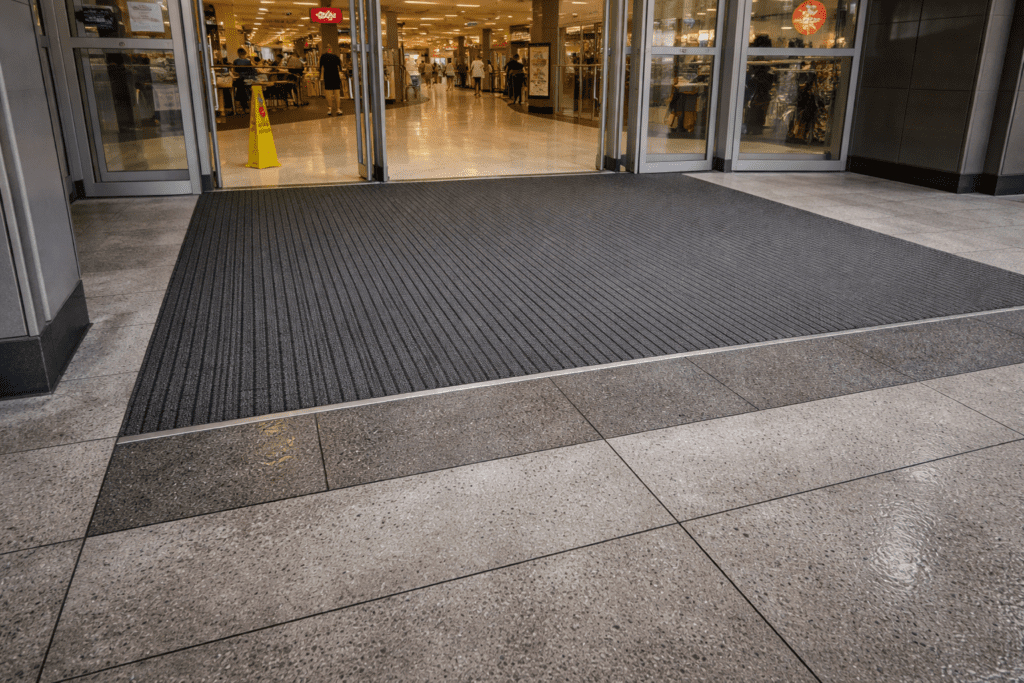
Slip resistance changes over time due to cleaning, wear and moisture. Learn what drives risk drift and how to manage ongoing floor safety
Local Gov: Public Paths, Parks & Liability
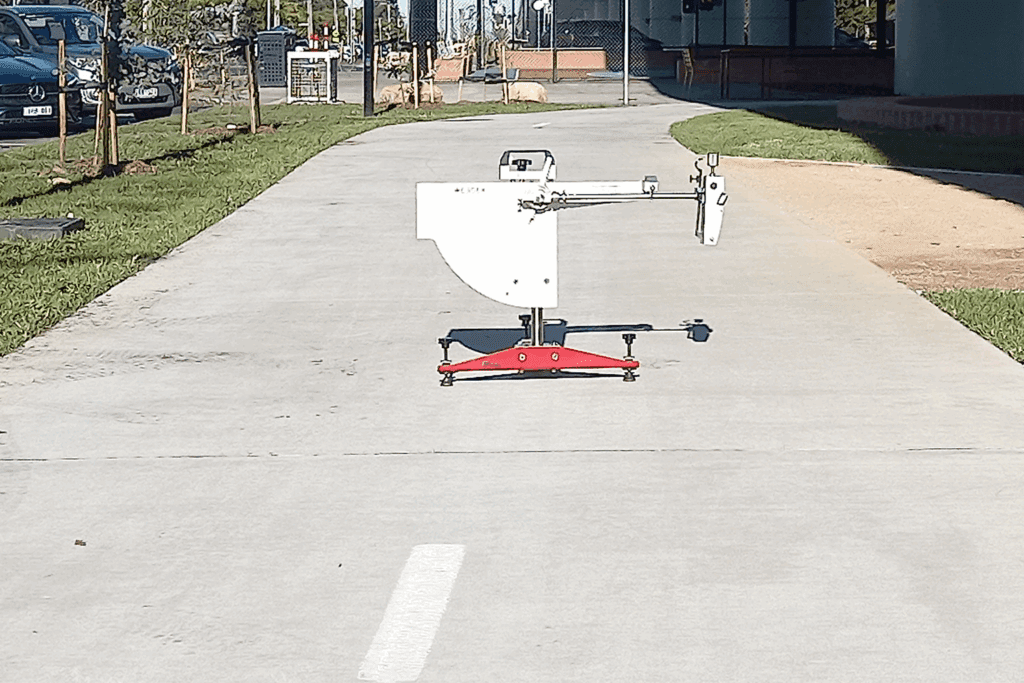
Public spaces are high-risk environments for slips, trips, and falls. This article explains how councils can use AS 4586 and AS 4663 testing to manage liability across parks, paths, and public facilities – protecting both people and budgets through data-driven maintenance and compliance.
Designing for Safety: Slip Resistance as WHS Architecture

Slip resistance is more than a compliance test – it’s part of architectural safety design. This article explores how AS 4586 and AS 4663 testing integrate into WHS planning, helping architects and builders design for compliance from the ground up.
Understanding D0 vs D1 in Dry Slip Testing
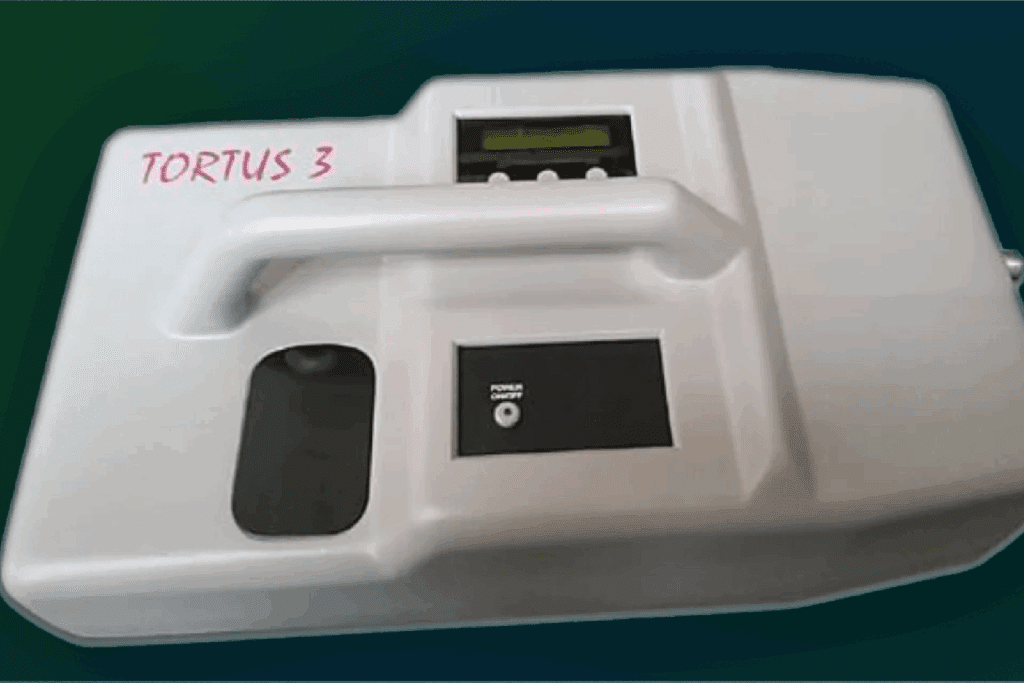
AS 4586:2013 classifies dry-use surfaces as D0 or D1. Learn why the cut-off matters and why even one low result can mean a fail.
Borderline Results: Why Interpretation Matters

Borderline slip resistance results may pass one interpretation but fail another. Learn how AS 4586:2013, AS 4663:2013 and HB198:2014 apply in practice.
NATA Accreditation: Why It Matters
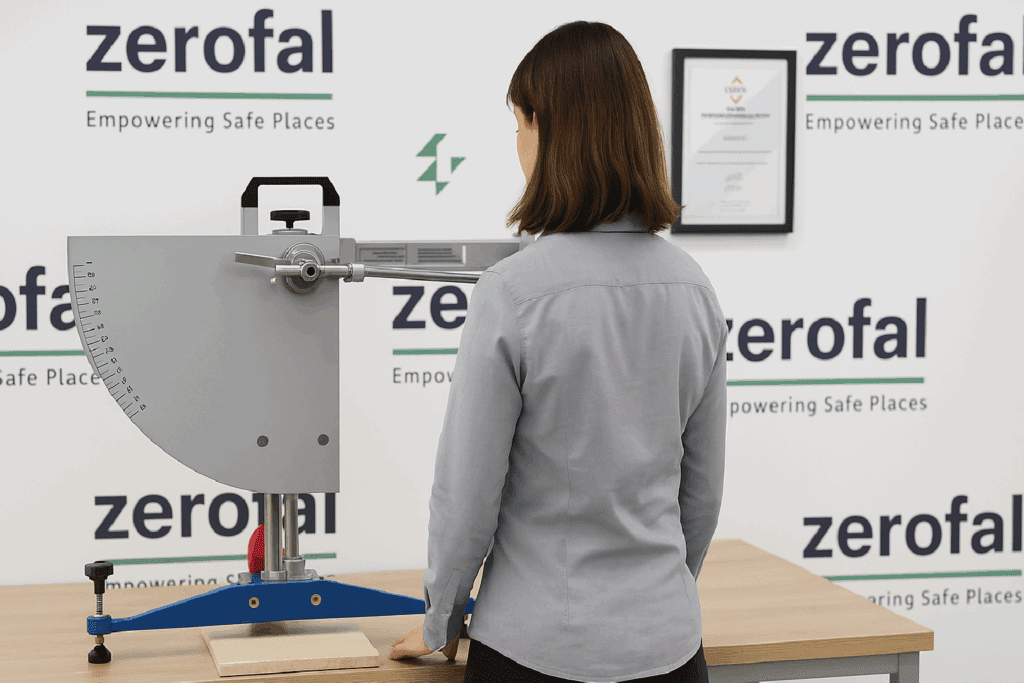
Only NATA-accredited slip testing reports stand up in audits, insurance claims and legal contexts. Learn why accreditation matters
From Tile to Certificate: The Lab Journey
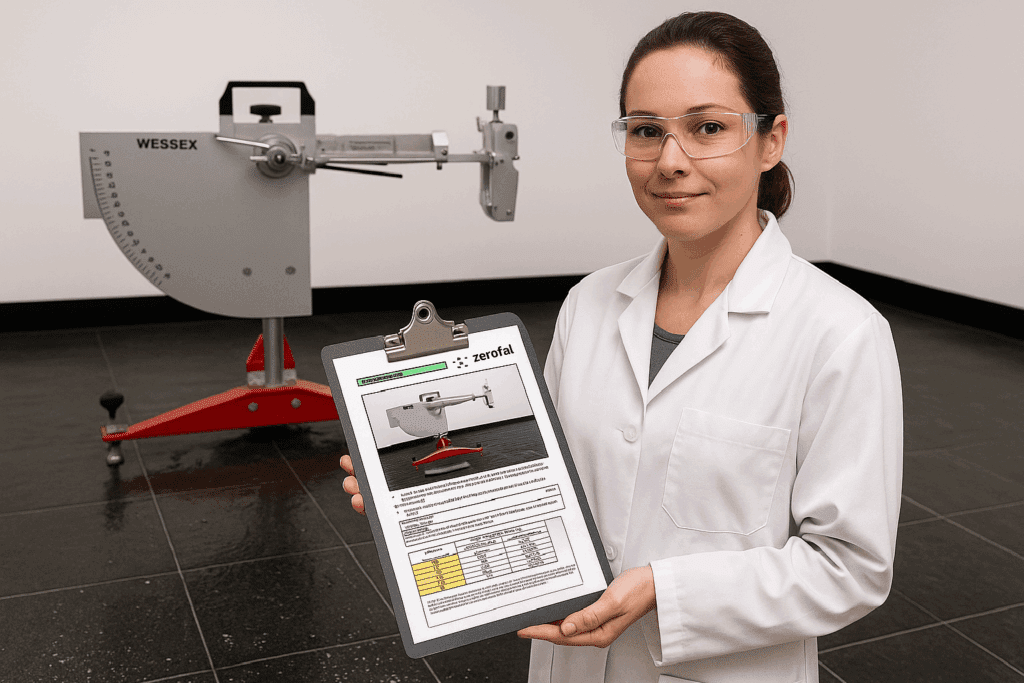
What happens inside a slip testing lab? Follow the process from tile submission to AS 4586:2013 certification in Zerofal’s Sydney lab.
Proactive vs Reactive Safety: What It Signals to Insurers

Insurers assess how slips, trips and falls are managed. Learn why proactive slip testing under AS 4663-2013 reduces exposure and strengthens compliance.
Should You Test with TRL or 4S Rubber?
Not all slip tests are equal – the slider you choose changes the result. AS 4586–2013 wet pendulum testing uses 4S rubber for general footwear and TRL rubber for barefoot or soft sole zones. A P4 with 4S might drop to P2 with TRL. Choosing the right slider is critical for valid, compliant results.