
When Should a Product Be Re-Tested? The Question Manufacturers Get Wrong
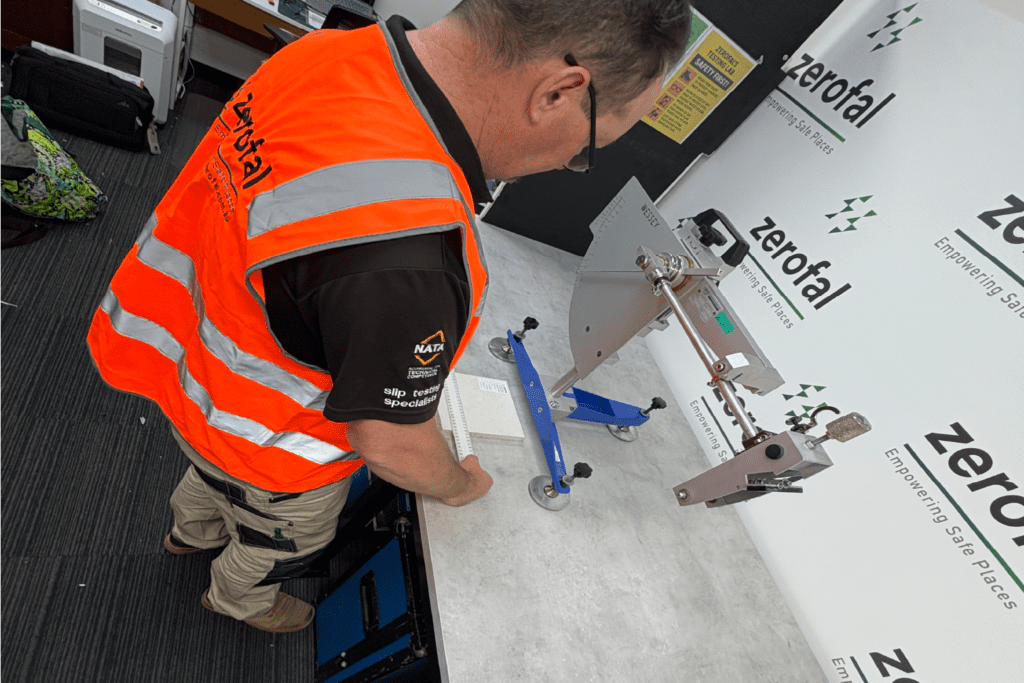
Learn when flooring products should be re-tested for slip resistance and why one result rarely covers a full product range.
How Much Does Slip Resistance Lab Testing Cost?
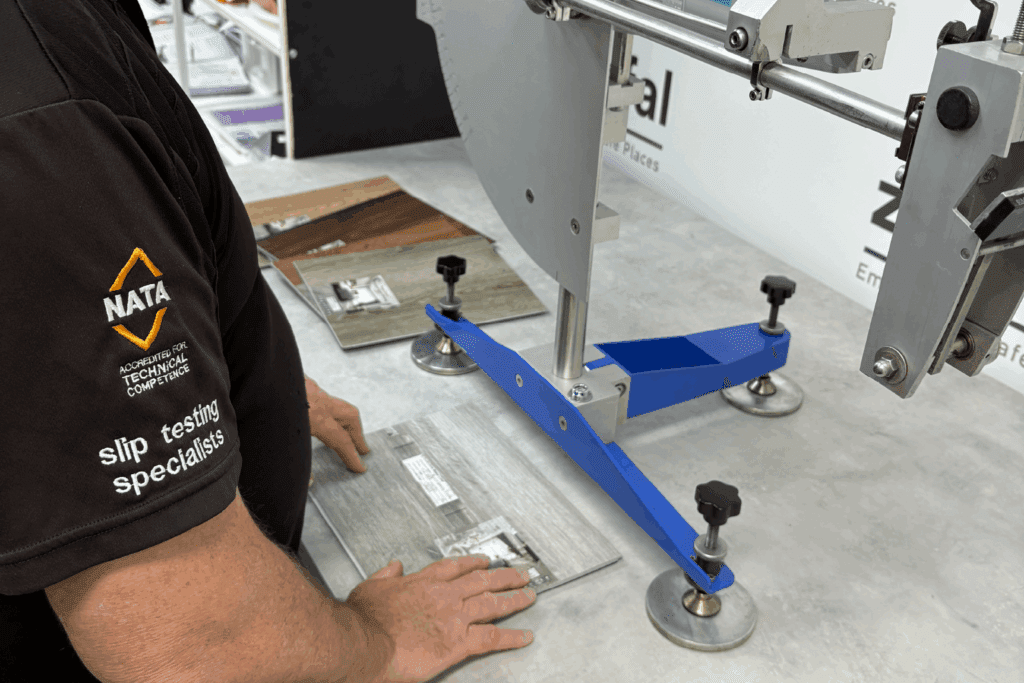
Slip resistance testing costs depend on surface type, number of samples, and method (wet pendulum or dry friction). This guide explains typical AS 4586 lab pricing, what’s included in a Zerofal test report, and how accurate certification protects your project from compliance risk.
Cure Time Matters—Avoid Testing Too Soon
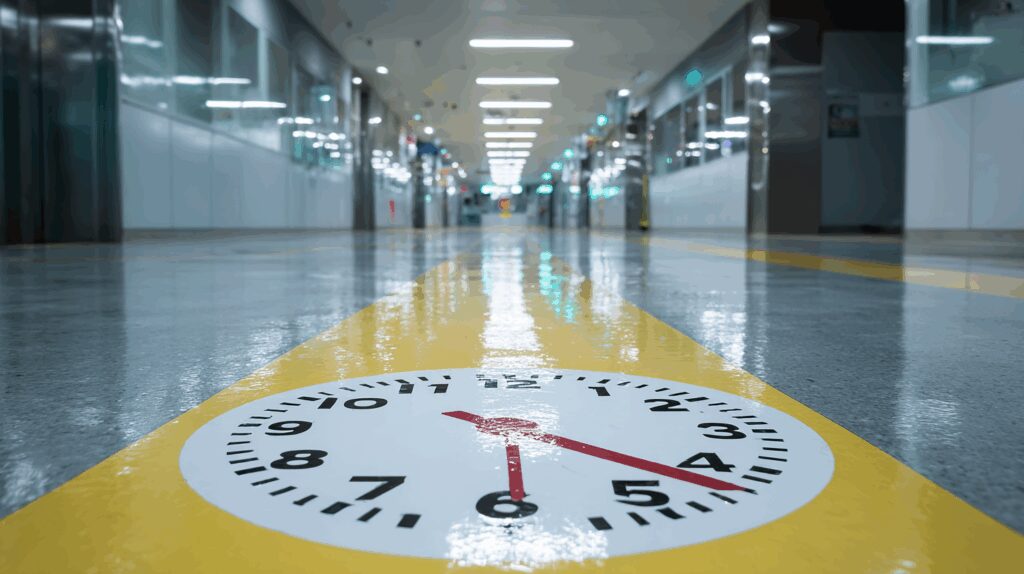
Curing is one of the most overlooked factors in slip resistance testing. This article explains how premature testing can understate performance, invalidate AS 4586 results, and cost clients compliance. Learn the right waiting periods for coatings, sealants, and concrete surfaces before testing.
Is Your Sample Ready? Prep Checklist
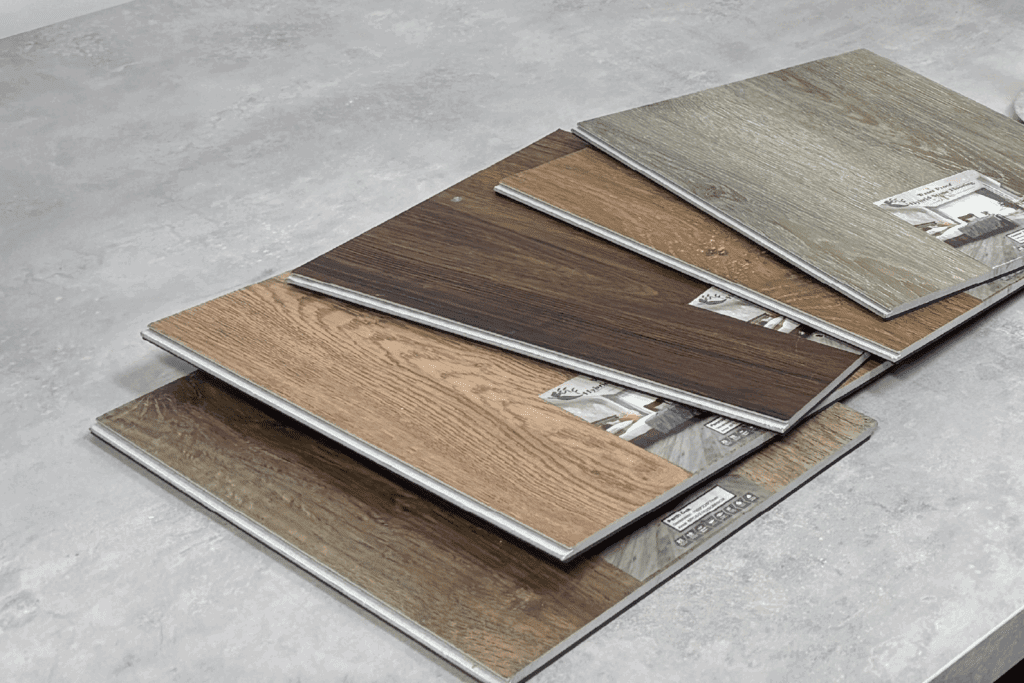
Accurate slip resistance results start before the test begins. This guide outlines how to prepare your samples for AS 4586 testing – covering size, cleaning, curing, and packaging – to ensure reliable, certifiable results the first time.
Risk by Design: Why Post-Install Testing Matters More Than Pre-Check

Lab results don’t guarantee real-world safety. AS 4663–2013 testing confirms slip resistance of installed floors under actual use conditions.
AS 4586-2013 Explained: Understanding P and D Ratings
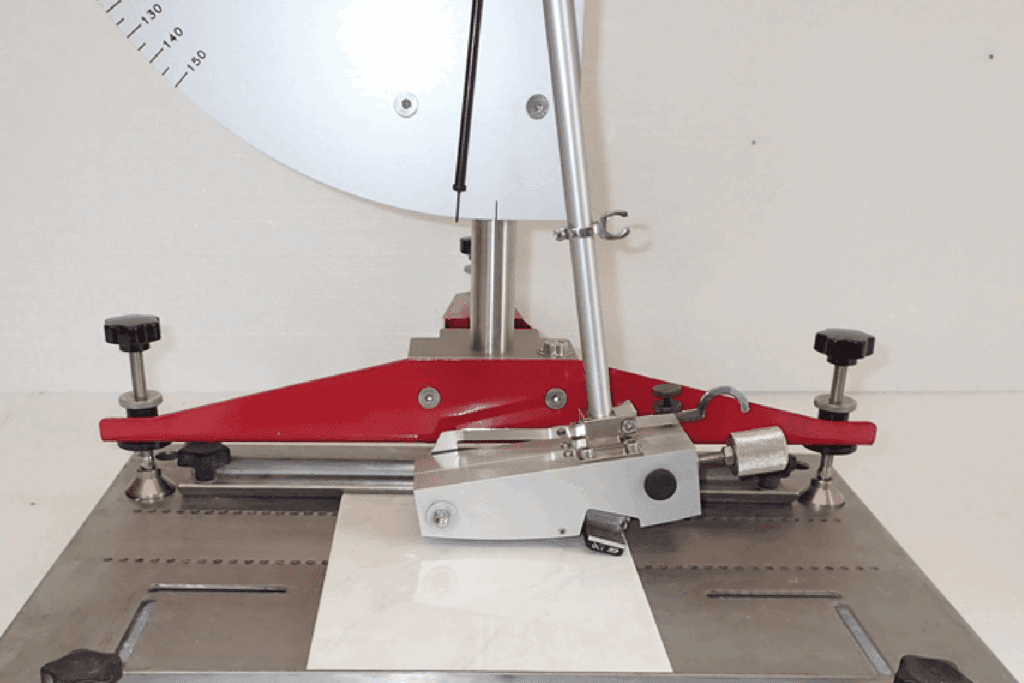
P and D ratings under AS 4586:2013 define how a surface performs under wet or dry conditions. This guide explains the testing methods, classification scales, and how to ensure your product or floor is compliant before installation.
Retail Floors: The High-Risk Zones You’re Overlooking
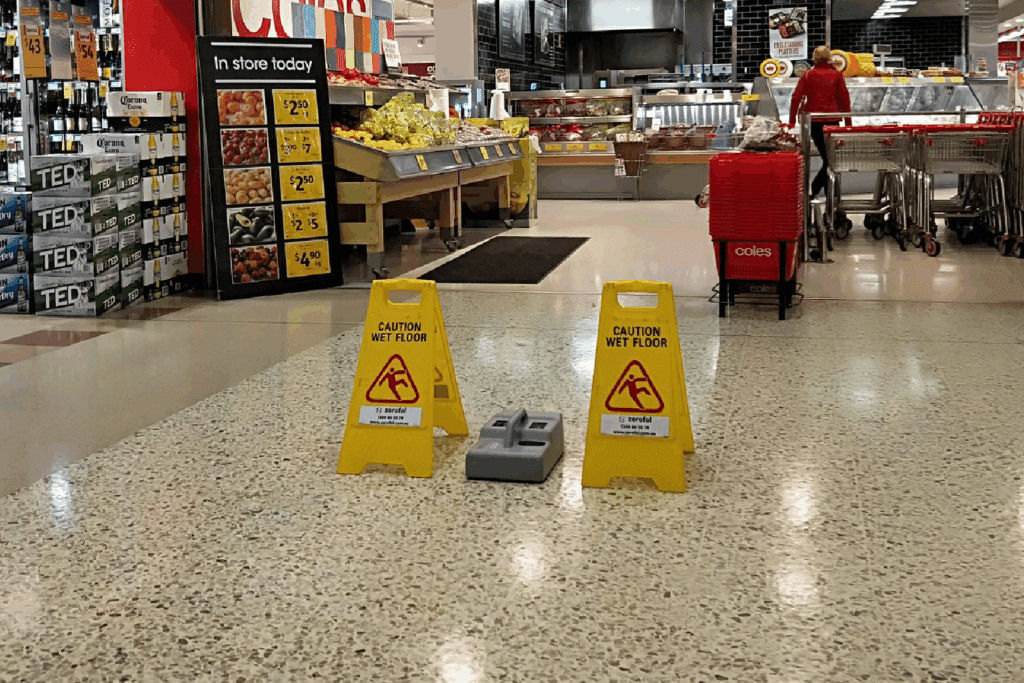
Retail floors often look clean and polished—but that doesn’t mean they’re compliant. Entry tiles, produce aisles, and checkouts are frequent failure zones under AS 4663:2013. This article explains where retail slip risks occur, what HB198:2014 requires, and how to test against real-world conditions.
Can You Fail a Slip Test? Yes — Here’s Why
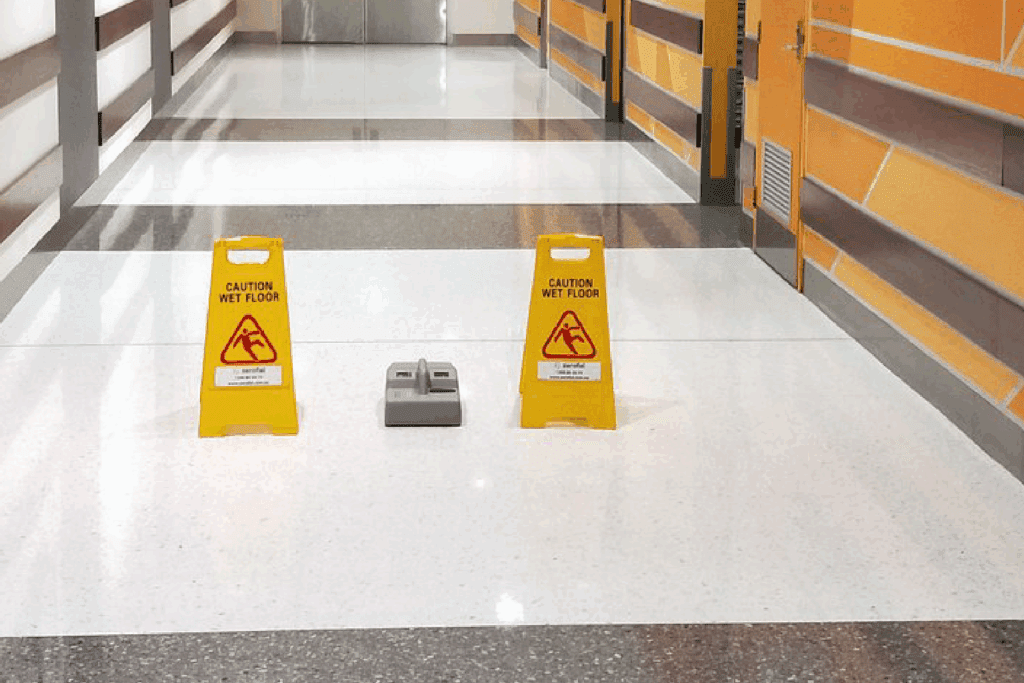
Surfaces can and do fail slip resistance tests—both in lab and onsite. Whether it’s a new tile rated under AS 4586:2013 or a worn floor checked to AS 4663:2013, results often fall short of what’s needed. This article explains why failure occurs, what happens next, and how to stay compliant.