
Car Parks: The Overlooked Slip Risk in Commercial Properties
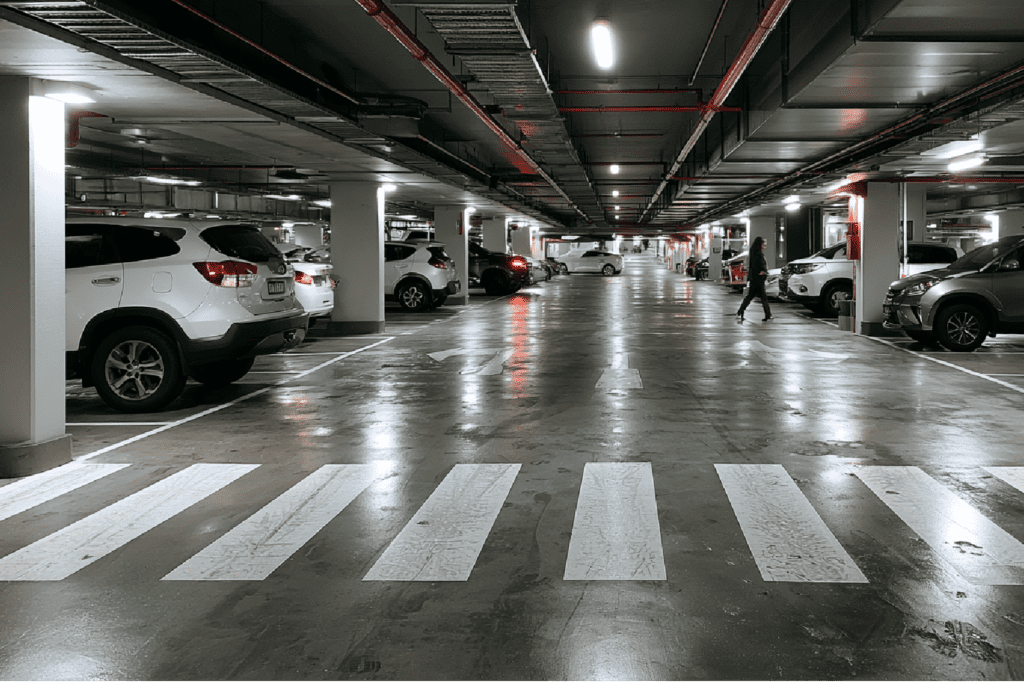
Undercover and external car parks are increasingly becoming high-risk pedestrian environments due to worn coatings, contamination, moisture and reduced cleaning attention. Learn how slip resistance testing under AS 4663:2013 helps identify hidden risk before incidents occur.
How Much Does Slip Resistance Lab Testing Cost?
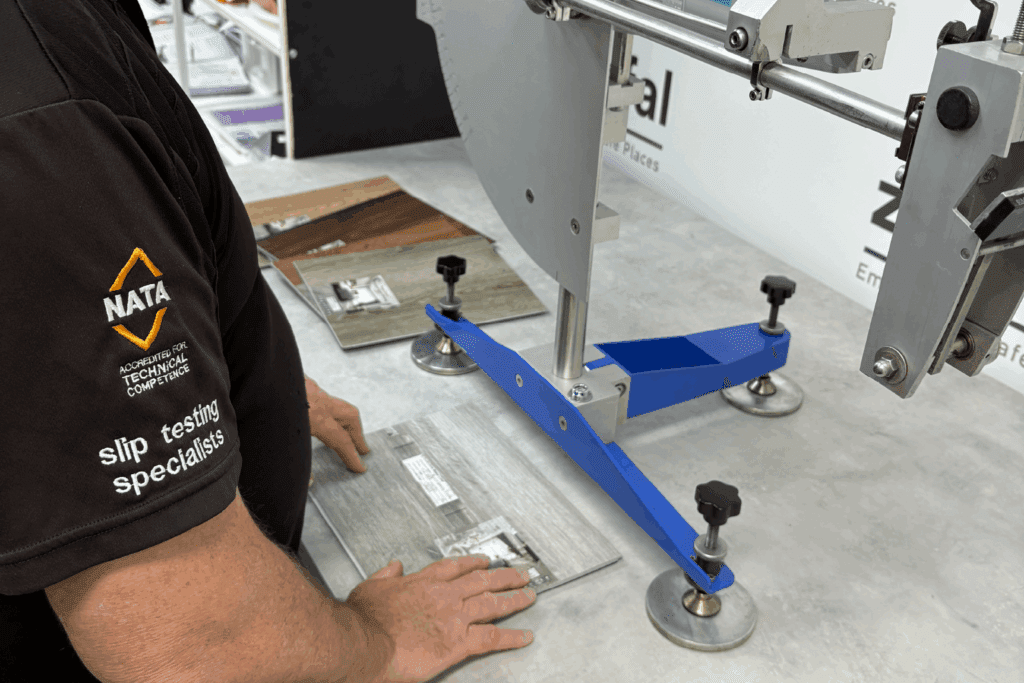
Slip resistance testing costs depend on surface type, number of samples, and method (wet pendulum or dry friction). This guide explains typical AS 4586 lab pricing, what’s included in a Zerofal test report, and how accurate certification protects your project from compliance risk.
Cure Time Matters—Avoid Testing Too Soon
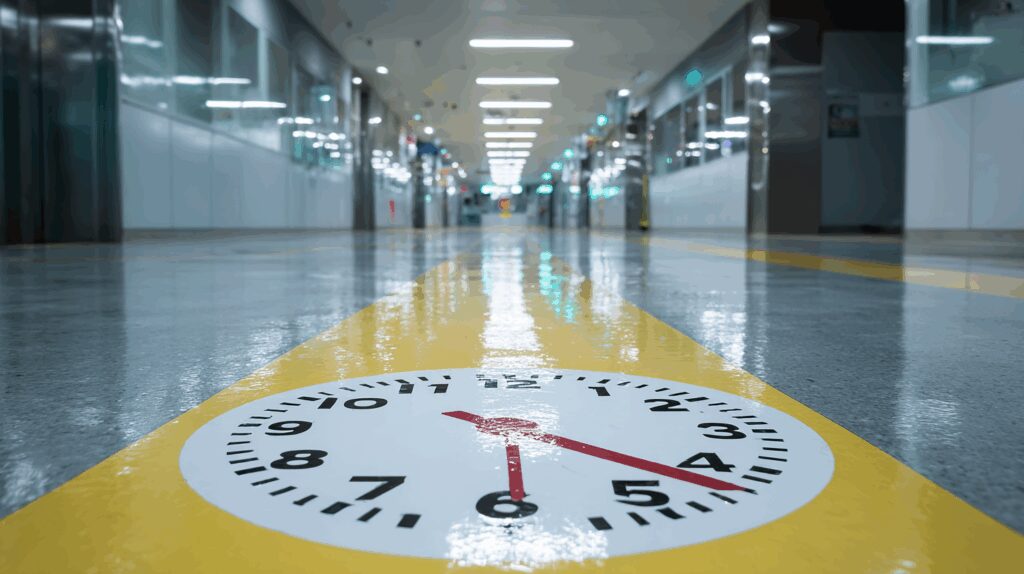
Curing is one of the most overlooked factors in slip resistance testing. This article explains how premature testing can understate performance, invalidate AS 4586 results, and cost clients compliance. Learn the right waiting periods for coatings, sealants, and concrete surfaces before testing.
Is Your Sample Ready? Prep Checklist
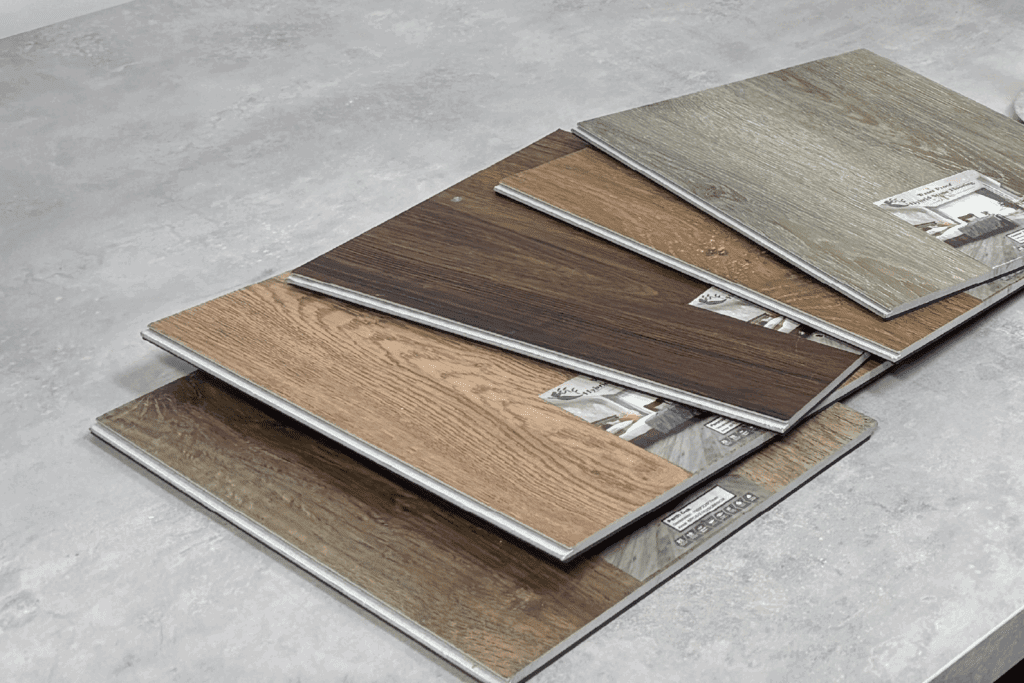
Accurate slip resistance results start before the test begins. This guide outlines how to prepare your samples for AS 4586 testing – covering size, cleaning, curing, and packaging – to ensure reliable, certifiable results the first time.
Local Gov: Public Paths, Parks & Liability
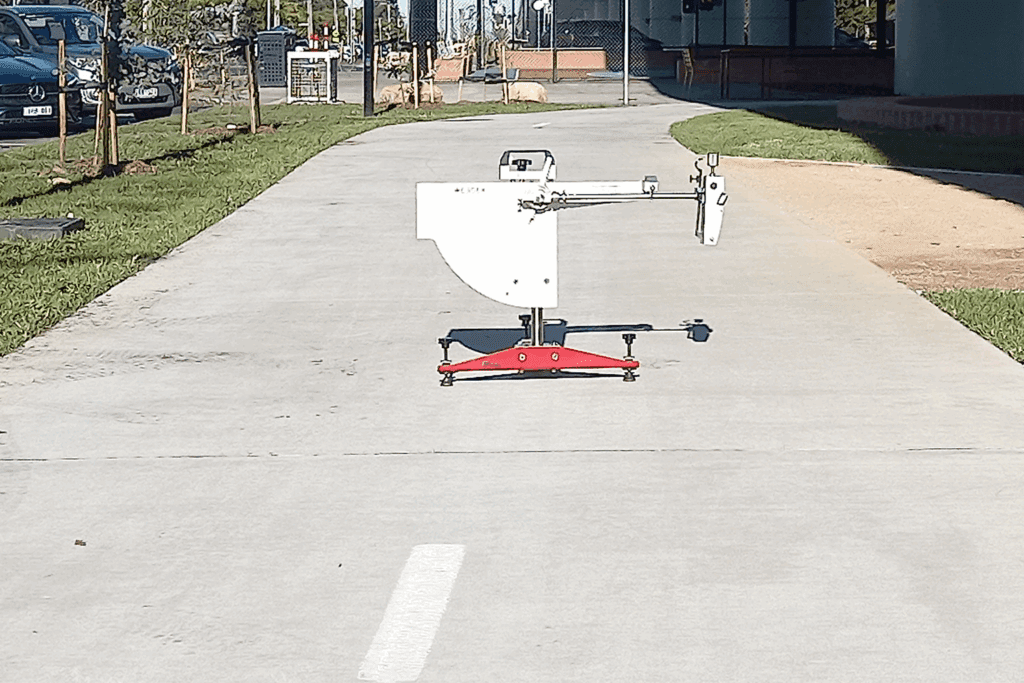
Public spaces are high-risk environments for slips, trips, and falls. This article explains how councils can use AS 4586 and AS 4663 testing to manage liability across parks, paths, and public facilities – protecting both people and budgets through data-driven maintenance and compliance.
Designing for Safety: Slip Resistance as WHS Architecture

Slip resistance is more than a compliance test – it’s part of architectural safety design. This article explores how AS 4586 and AS 4663 testing integrate into WHS planning, helping architects and builders design for compliance from the ground up.
Should You Test with TRL or 4S Rubber?
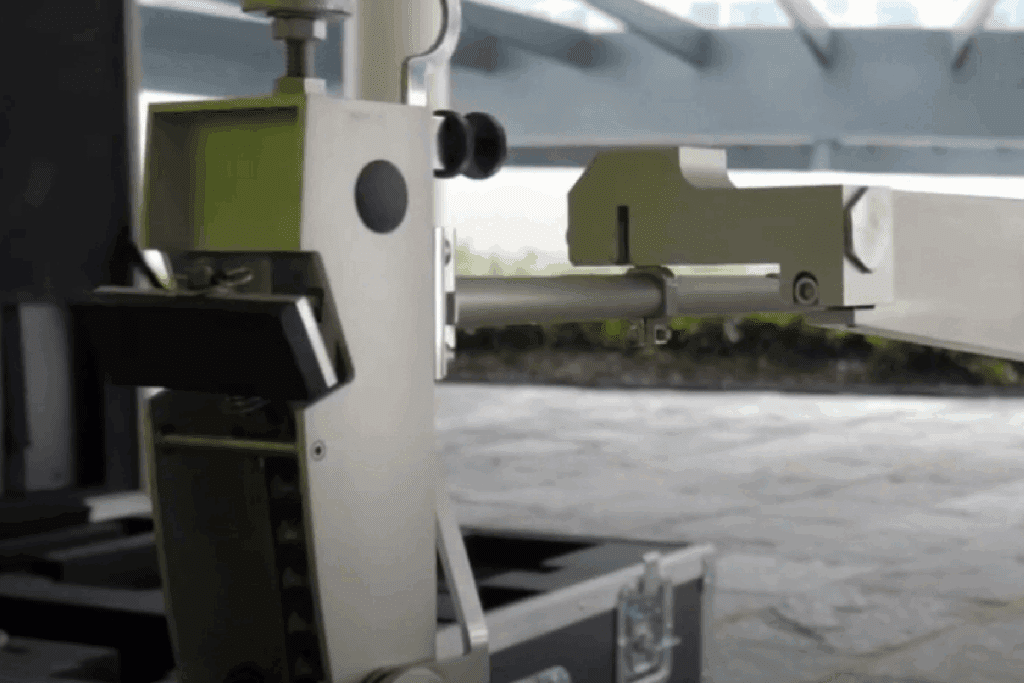
Not all slip tests are equal – the slider you choose changes the result. AS 4586–2013 wet pendulum testing uses 4S rubber for general footwear and TRL rubber for barefoot or soft sole zones. A P4 with 4S might drop to P2 with TRL. Choosing the right slider is critical for valid, compliant results.
Sample Prep 101: What We Need – and What to Avoid

Sample quality drives valid AS 4586–2013 results. Send a minimum 200 × 200 mm tile per finish, clearly labeled and packed flat on a rigid backing so it can’t move or break in transit. Disclose any seals or coatings and note slider preferences (Slider 96/4S, Slider 55/TRL). Our Sample Prep Checklist prevents delays and protects your data.
How to Certify a Product Line: Don’t Stop at One Tile

Certifying one tile finish doesn’t cover the rest of the range. Under AS 4586–2013, gloss, matt, honed, or sealed tiles may all deliver different slip ratings. Zerofal helps structure bundled tests so each finish is properly certified—protecting your brand and giving specifiers confidence.
Technical Insight – What Certifiers Look for in a Lab Test Report
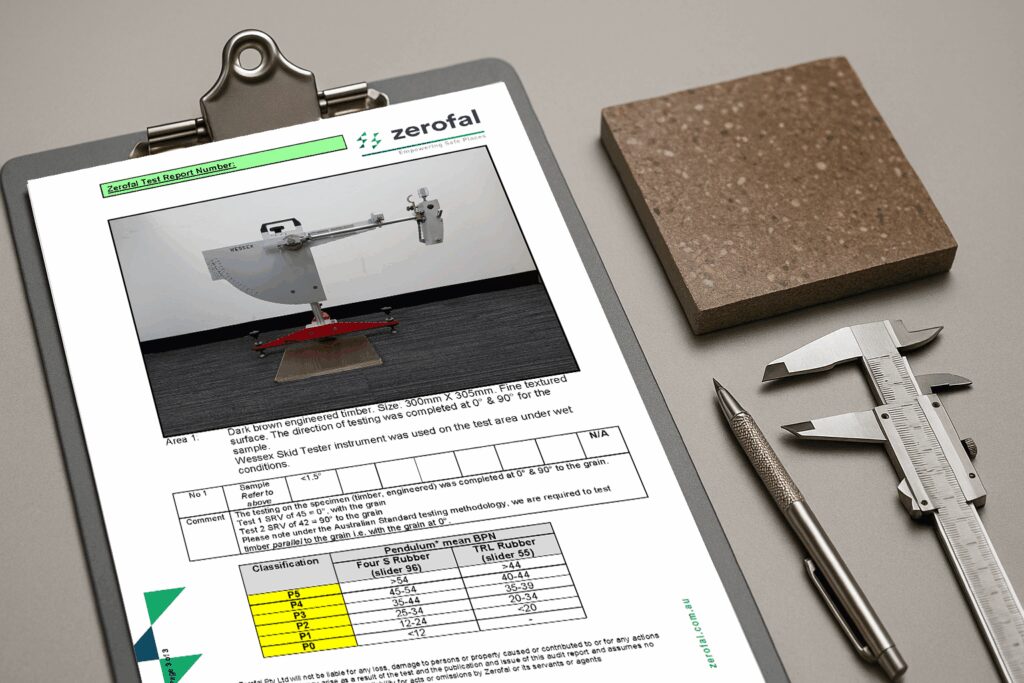
Certifiers look for specific details in an AS 4586:2013 slip test report—standard references, NATA traceability, slider type, and finish condition. This guide outlines what’s required and why it matters for compliance and approvals.