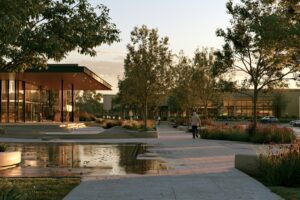
Education: Schools, TAFEs & Transitional Zones
Surface Safety in Education Settings
Educational sites face varied surface risks. AS 4663–2013 testing helps WHS teams monitor safety across entries, ramps, and stairwells – especially where foot traffic is high and surfaces change often.
From wet concrete paths to indoor vinyl, schools and universities manage dozens of surface types – and thousands of steps per day. Slip risk can arise anywhere, but it’s highest in transition zones:
- Entryways exposed to rain
- Covered walkways with drainage issues
- Stairwells with polished timber or terrazzo
- Older buildings with mismatched repairs
- Outdoor ramps with faded texture
AS 4663–2013 testing allows you to measure these surfaces as they are today. It’s used to:
- Audit known hazards across a site
- Track how surfaces degrade over time
- Identify zones needing treatment or retest
- Justify budget for remediation before injury occurs
Zerofal supports schools and TAFEs with structured, site-wide testing plans. These are practical tools to demonstrate WHS compliance and reduce claims from students, staff, and visitors.
Managing multiple surface types?
Book an AS 4663–2013 site assessment for your school or campus.
Explore more

The Five Moments You Should Always Re-Test a Floor
Learn the five moments when re-testing slip resistance matters most — and how timing reduces risk more effectively than routine checks.

When Should a Product Be Re-Tested? The Question Manufacturers Get Wrong
Learn when flooring products should be re-tested for slip resistance and why one result rarely covers a full product range.

Why January Is When Latent Slip Risk Shows Up in Commercial Buildings
January maintenance and reopening cycles can increase slip risk. Learn why early-year verification matters for commercial buildings.
Stay Ahead of Safety Standards
Join the Zerofal newsletter for actionable insights on slip testing, compliance updates, and smart prevention strategies. No spam – just practical safety advice.